
As tax season arrives in the United States, many Americans living in Cuenca are once again faced with a familiar question: do they still need to file a U.S. tax return while living in Ecuador?

The short answer is yes. U.S. citizens and green card holders are generally required to file a U.S. federal tax return regardless of where they live. Unlike most countries, the United States taxes based on citizenship rather than residency. This means that even long-term residents of Cuenca must continue reporting their worldwide income.

However, filing does not always mean owing taxes. Several provisions are designed to prevent double taxation for Americans living abroad.

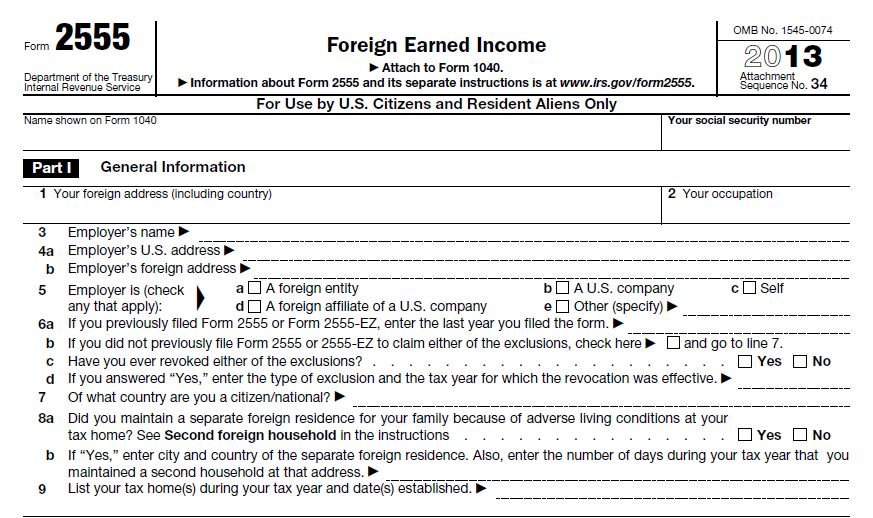
One of the most commonly used is the Foreign Earned Income Exclusion, which allows qualifying individuals to exclude a significant portion of their foreign-earned income from U.S. taxation. To qualify, expats must meet specific residency or physical presence requirements.

In addition, many expats benefit from the Foreign Tax Credit. This allows taxpayers to offset U.S. taxes with income taxes already paid in Ecuador, reducing or eliminating any remaining U.S. tax liability.

There are also additional reporting requirements that can catch expats off guard. Americans with foreign bank accounts exceeding certain thresholds may need to file a separate report disclosing those accounts. This is not a tax, but a reporting obligation that carries penalties if overlooked.

Deadlines for expats are slightly different. Americans living abroad typically receive an automatic extension to file until mid-June, although any taxes owed are still due in April. Further extensions can be requested if needed.

For retirees in Cuenca, the rules can vary depending on income sources. Social Security benefits, pensions, and investment income may all be treated differently under U.S. tax law, and in some cases under the tax treaty between the United States and Ecuador.

Because the rules can be complex, many local residents turn to tax professionals who specialize in cross-border filings. Cuenca has a well-established expat community, and several English-speaking tax preparers cater specifically to Americans.

Expats often locate these professionals through local networks, community organizations, and word-of-mouth referrals. As in other expat hubs, some residents use local accountants familiar with both tax systems, while others prefer U.S.-based firms that specialize in expat returns and offer fully remote services. Firms such as Taxes for Expats, Greenback Expat Tax Services, and similar providers are commonly used.

For Americans in Cuenca, tax season is less about whether to file and more about understanding how to do so correctly while taking advantage of available exclusions and credits.