
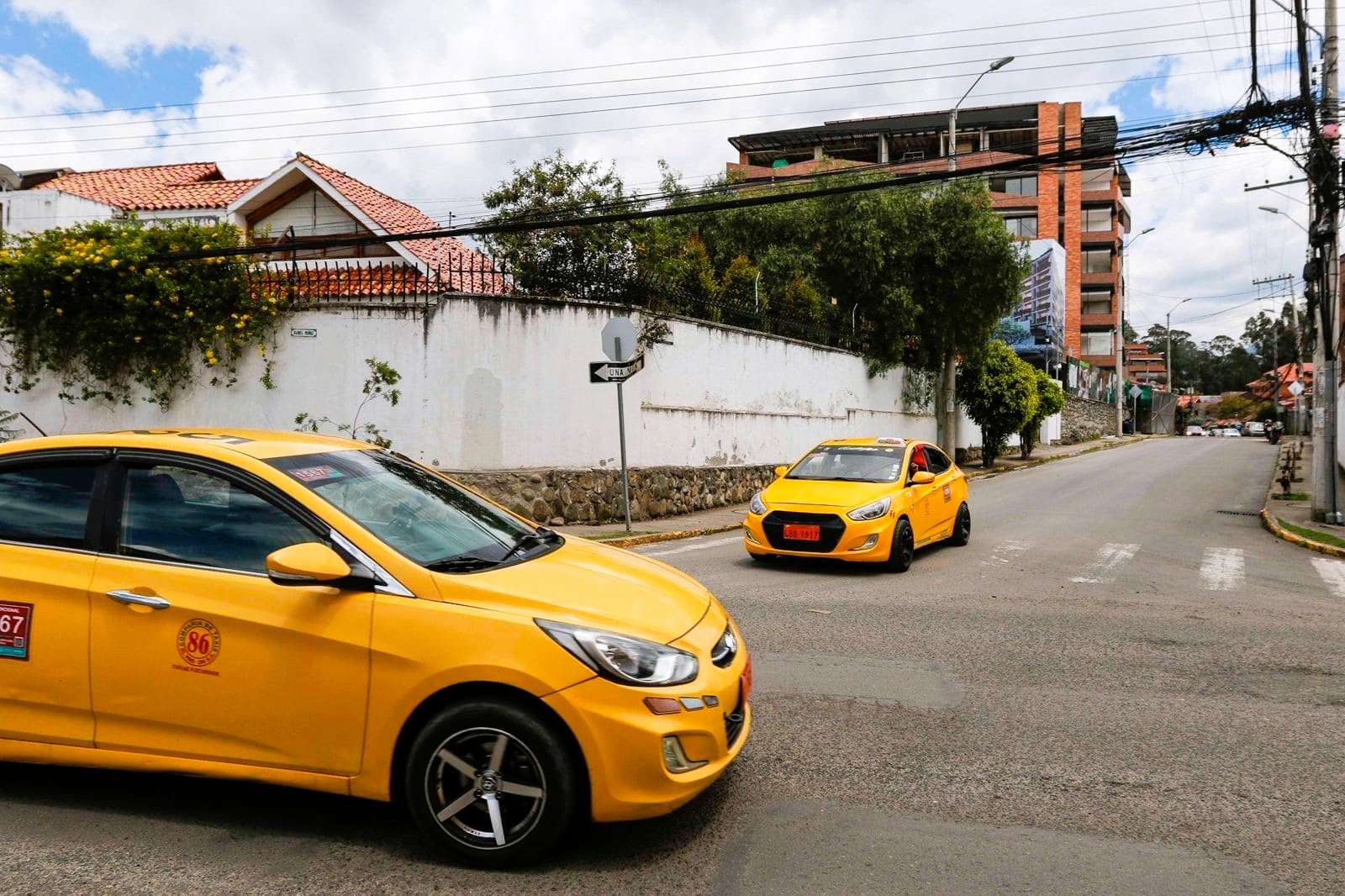
Rapid urban expansion in Cuenca is putting pressure on the city’s road network, with residents across several neighborhoods reporting worsening traffic and calling for changes to how streets are managed.

In Cazhapata, once a quiet area, traffic has increased as drivers use local streets as shortcuts to other parts of the city. Residents have asked municipal officials to inspect conditions and consider installing a traffic light at the intersection of Damián Muñoz and Rafael Fajardo, where they say driving has become difficult. Nearby, issues have also been reported along Ramona Cordero Street, where neighbors are pushing for clearer traffic controls to prevent blockages.

Elsewhere, some residents are calling for the opposite approach. Near the access road to El Valle, close to the Garaicoa school, drivers say traffic lights have made congestion worse, particularly for vehicles leaving the city. Increased traffic in the area has also been linked to the construction of the Monay interchange, which has redirected drivers from other routes.

Concerns extend beyond traffic lights. In the Industrial Park, worn-out road markings and deteriorating signage are creating confusion for drivers. On Octavio Chacón Street, lane divisions are barely visible, raising safety concerns despite an adequate number of traffic signals.

City officials say traffic management follows a two-level system. Major roads are designed to move vehicles quickly, often using synchronized traffic lights, while residential streets prioritize slower speeds and accessibility. Traffic lights are installed based on factors such as vehicle flow, pedestrian movement, and accident frequency.

Work is underway to address some of the issues. Crews have been expanded to improve signage across the city, operating in multiple shifts. Adjustments to traffic light timing have already been made in the Garaicoa area to improve flow, and further calibration is planned in Cazhapata.

Each year, the city receives between 70 and 80 requests for new traffic lights, but only about a quarter are approved after technical review.