
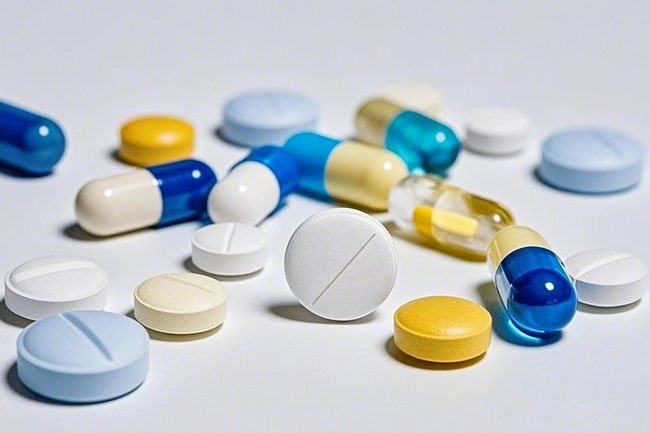
Self-medication is widespread in Ecuador, with an estimated 86% of people using medicines without proper medical supervision. Health specialists warn the practice has become routine, but carries serious risks.
The issue goes far beyond occasional use of pain relievers or cold medicine. Taking drugs without diagnosis or follow-up can delay treatment, worsen underlying conditions, and trigger harmful side effects. In severe cases, it can lead to organ damage, dependency, hospitalization, or death.
One of the biggest concerns is the misuse of antibiotics. More than seven in 10 people in Ecuador have taken antibiotics without a prescription. This weakens their effectiveness over time, allowing bacteria to become resistant and harder to treat.
Other commonly used medications also pose risks:
- Paracetamol can cause serious liver damage when taken in improper doses
- Anti-inflammatory drugs such as ibuprofen and diclofenac can affect kidney function, especially with frequent use
Self-medication can also mask symptoms. Drugs that reduce pain or fever may hide signs of serious illnesses, delaying diagnosis and increasing the risk of complications.
Several factors are driving the trend:
- Limited time and difficulty accessing medical care
- High costs of consultations and treatments
- Habit of reusing old prescriptions or following advice from others
- Greater reliance on online information and social media
The problem is more pronounced in rural areas, where access to healthcare is more limited and pharmacies often become the first point of contact.
Digital misinformation has made the situation worse. Online content can promote unsafe practices, encouraging people to take medications without understanding the risks.
In response, pharmacy chains are promoting campaigns to encourage proper use of prescriptions and reduce self-medication. The goal is to reinforce the importance of medical guidance and discourage the reuse of medications intended for other conditions or individuals.
Health specialists stress that addressing the issue will require not only public awareness but also better access to affordable and timely healthcare.
