
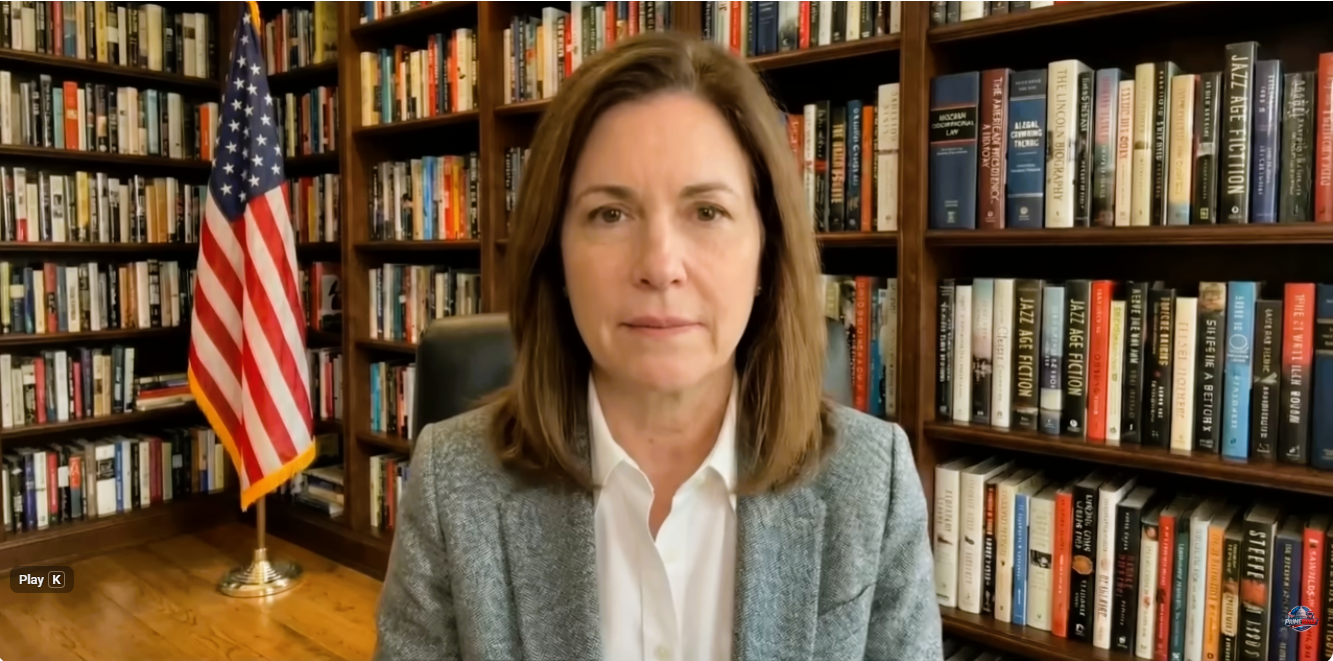
A growing number of online videos look like serious investigative journalism, but aren’t reporting real events at all. They often feature a polished, news-style presenter — sometimes an AI-generated anchor wearing the same clothes every time — delivering dramatic claims about secret leaks, market collapses, or imminent arrests.

The stories sound authoritative, but the evidence usually doesn’t exist.

What these videos typically claim

• A dramatic “leak” with a catchy name
• Thousands of emails or secret documents
• Powerful people about to be exposed or arrested
• Regulators “racing” to act
• A promise that “more files are coming soon”

The production looks professional, but verification and sources are missing.

The biggest red flag

If a video claims a massive scandal — financial crashes, indictments, diplomatic crises — and no reputable news outlet is reporting it, assume caution.

Real investigations leave footprints across many outlets. Fabricated ones live on a single channel.

Why this is happening now

AI tools make it easy to:
• generate long, convincing scripts
• invent realistic-sounding details
• create lifelike AI news presenters

Youtube channels like PrimeBrief are part of a growing genre that blurs the line between news, opinion, and fiction.

A quick reality check for readers

Before sharing or reacting, ask:

• Can I find this story anywhere else?
• Are real documents shown or just described?
• Are sources named or vague?
• Does the story escalate impossibly fast?

If several answers raise doubts, wait. Real news will still be there tomorrow.

Why it matters

These videos can influence political beliefs, financial decisions, and trust in real journalism. Knowing how to spot them is now part of staying informed.

Sometimes the smartest response to a shocking “investigation” is the simplest one: pause, verify, and wait.