
A term circulating in Cuenca is creating confusion among residents and visitors alike, despite having no official basis. The name “Gringolandia” is often used as if it refers to a defined neighborhood, but in reality, it does not exist on any map or within any formal city designation.

The label has no administrative standing. It is not recognized as a parish, district, or zoning area, and it does not appear in official services such as utility schedules or transportation systems. Yet the name continues to surface in conversations, listings, and informal descriptions of the city.

Ask where “Gringolandia” is located, and answers vary widely. Some associate it with the river corridor east of El Centro, including areas like El Vergel and Avenida 12 de Abril. Others point to Puertas del Sol or Solano, while more recent interpretations include the Ordóñez Lasso corridor, known for newer developments and larger residential buildings.

This lack of consistency highlights the core issue: the term does not describe a fixed place.

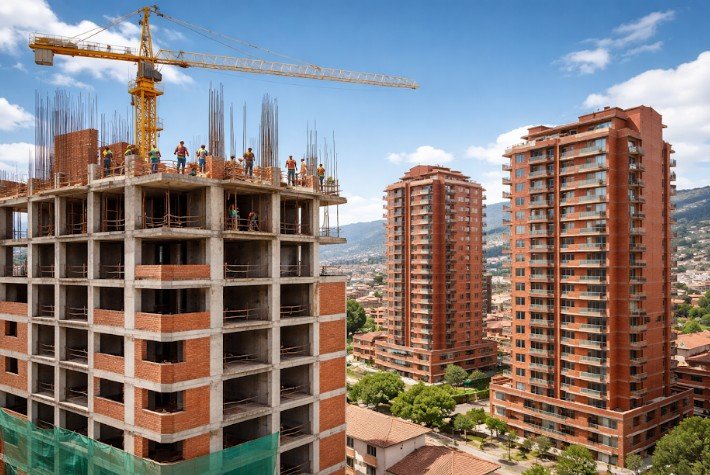
Unlike established neighborhoods, which have clear boundaries and appear in official records, “Gringolandia” functions more as a loose label. It is often used to describe areas with newer construction, modern amenities, and urban layouts that differ from the city’s traditional design.

These areas typically feature taller buildings, wider streets, and infrastructure that may feel more familiar to foreign residents. However, many of the people living in these zones are Ecuadorians, not foreigners, suggesting the term has shifted away from describing residents and instead reflects a certain style of development.

The name itself carries mixed connotations. While “gringo” is commonly used in Ecuador without strong offense, it is not entirely neutral. Applied as a place name, it can blur the line between casual nickname and perceived geography.

The spread of the term has been amplified by its repeated use in online content, where it is sometimes presented alongside real neighborhoods. This has led to the impression that it represents an official or recognized part of the city.

In practice, Cuenca remains a mix of older and newer areas without clear divisions based on labels like this. The city continues to evolve, but not in a way that creates a neighborhood called “Gringolandia.”

For those considering where to live, the more useful approach is to look at specific streets, services, and daily needs—rather than relying on a name that has no defined location.