
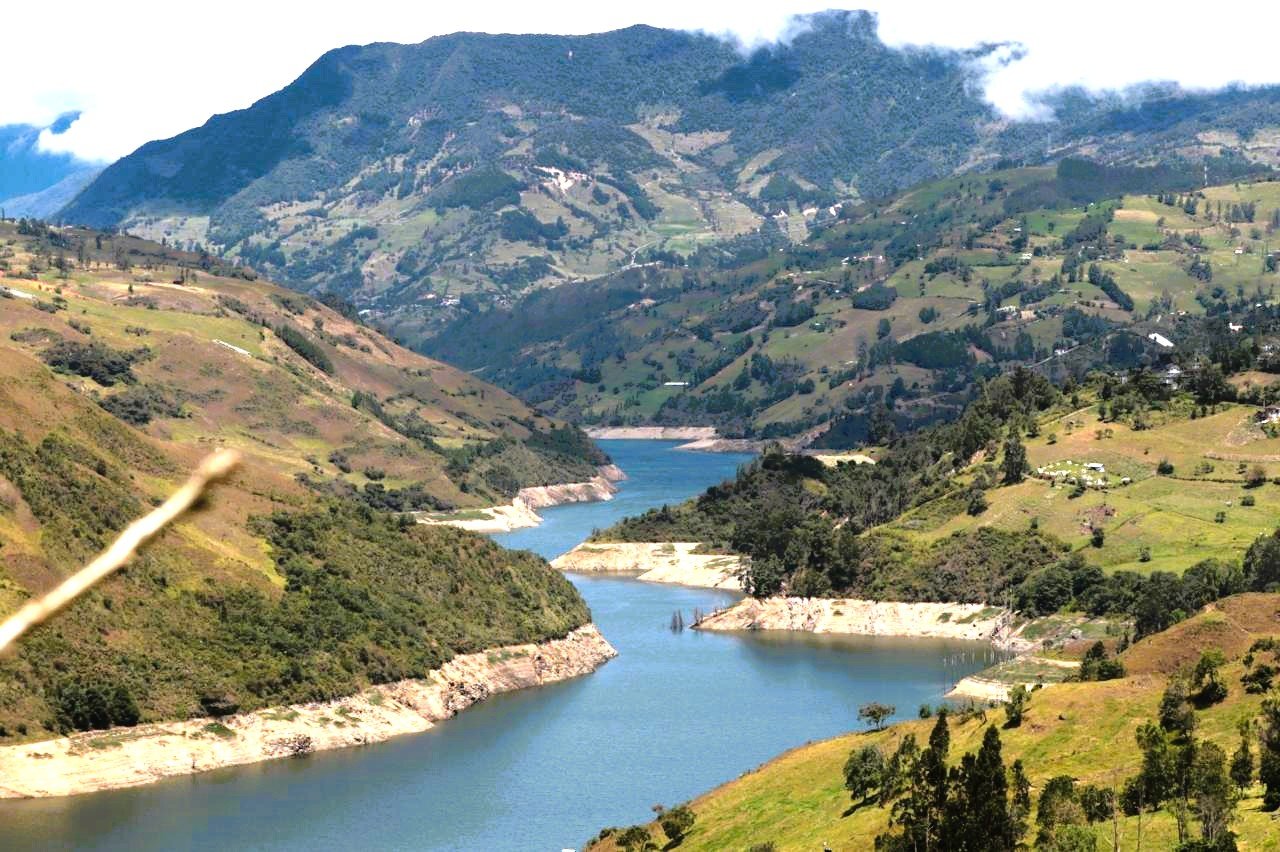
The flow of the Paute River has dropped sharply over the past 20 days, raising concerns about the stability of hydroelectric power generation in Ecuador.

According to data from CELEC EP, the river’s flow fell from a peak of 247.46 cubic meters per second (m³/s) on March 13 to just 37.37 m³/s by April 2. The steady decline reflects a rapid shift from heavy rainfall conditions to a much drier pattern across southern Ecuador.

The Paute River is a critical water source for the Paute Integral Hydroelectric Complex, which includes the Mazar, Paute-Molino, and Sopladora plants. Together, these facilities generate approximately 38% of the country’s electricity, making the river’s flow a key factor in national energy stability.

The reduced water levels are now being felt across the system’s reservoirs. At the Mazar dam, water levels are more than 40 meters below the minimum operating elevation. Similar deficits have been recorded at the Amaluza and Sopladora reservoirs, both of which are also operating below minimum levels.

Despite the drop in water availability, the plants continue to produce electricity, though at reduced efficiency. As of April 2, Mazar was operating at about 91% of its capacity, Paute-Molino at nearly 78%, and Sopladora at just over 64%. These figures suggest that while generation remains active, the system is under increasing strain.

The situation is being compounded by weather conditions. The National Institute of Meteorology and Hydrology has issued a heat alert through April 4, with higher temperatures expected across the inter-Andean region. The presence of dry air masses and reduced cloud cover is limiting rainfall and increasing evaporation, further reducing river flow and reservoir replenishment.

A similar trend is being observed at the Minas-San Francisco Hydroelectric Plant, which relies on the Jubones River and contributes an additional 3% to 4% of national electricity generation. There, water flow has also dropped significantly following earlier peaks.

Energy analysts warn that if dry conditions persist, Ecuador could face increasing pressure on its hydroelectric system in the coming weeks. While no immediate shortages have been announced, the continued decline in river flow highlights the vulnerability of the country’s power supply to changing weather patterns.