
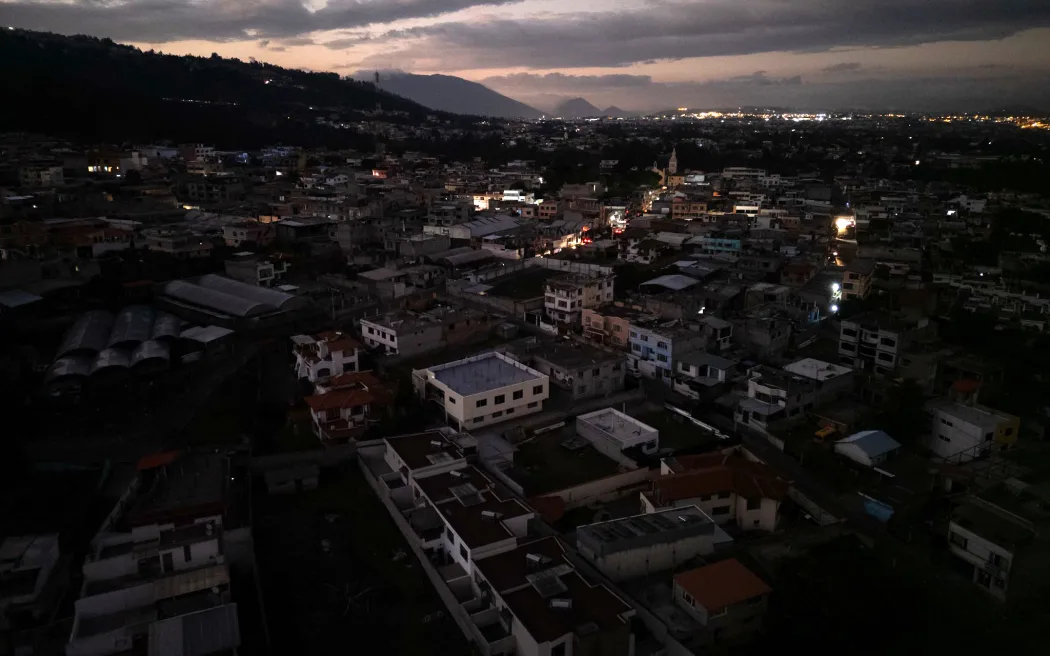
Ecuador could once again face electricity shortages and possible blackouts when the next dry season begins in October, despite recent improvements in river flows feeding the country’s hydroelectric system.

A technical report from the National Electricity Operator warns that Ecuador remains highly vulnerable because of its dependence on hydroelectric generation and the continued suspension of electricity imports from Colombia.

Under a severe drought scenario, officials estimate there is an 18% probability of energy shortages if Colombian electricity remains unavailable.

Colombia suspended electricity exports to Ecuador on January 22, 2026, following trade tensions linked to the security tax imposed on Colombian imports by the Daniel Noboa administration. Before the suspension, Ecuador was receiving up to 450 megawatts of electricity from Colombia, equivalent to roughly 10% of national demand.

Energy officials say that imported power became especially important during periods when Ecuador’s river levels fell and hydroelectric production weakened.

Recent rains have temporarily improved conditions at major hydroelectric facilities such as Coca Codo Sinclair and the Paute Integral complex after lower water levels earlier this year raised concerns about supply stability.

However, the report warns that improved rainfall does not eliminate the country’s structural vulnerability. Ecuador’s dry season typically runs from October through March, when reduced rainfall lowers river flows and limits hydroelectric generation.

Officials also highlighted another challenge involving Coca Codo Sinclair, Ecuador’s largest hydroelectric plant. Excessive rainfall can send heavy sediment into the river system, forcing temporary shutdowns because of poor water quality conditions.

The report states that operational interruptions at Coca Codo Sinclair have become increasingly frequent. During 2025, the facility reportedly experienced at least one shutdown every month beginning in April, totaling 33 interruptions during the year.

Authorities warned that if major hydroelectric plants face disruptions while Colombian imports remain suspended, Ecuador may struggle to meet demand during peak consumption periods, increasing the risk of electricity rationing.

The potential economic consequences could also be severe. Estimates in the report suggest power shortages could generate losses ranging from more than $41 million under moderate conditions to over $823 million in an extreme drought scenario.

For now, improved river flows have eased immediate pressure on the electrical system, but officials warn the country could again face major energy challenges later this year if drought conditions intensify and regional electricity imports remain unavailable.