
Energy Minister Inés Manzano said the system is currently facing a “major deficit of capacity,” following recent blackouts reported in Quito and Guayaquil.
The Chamber of Electrical Engineers warned that the outages reflect a grid operating beyond its limits and urged the government to take emergency action.
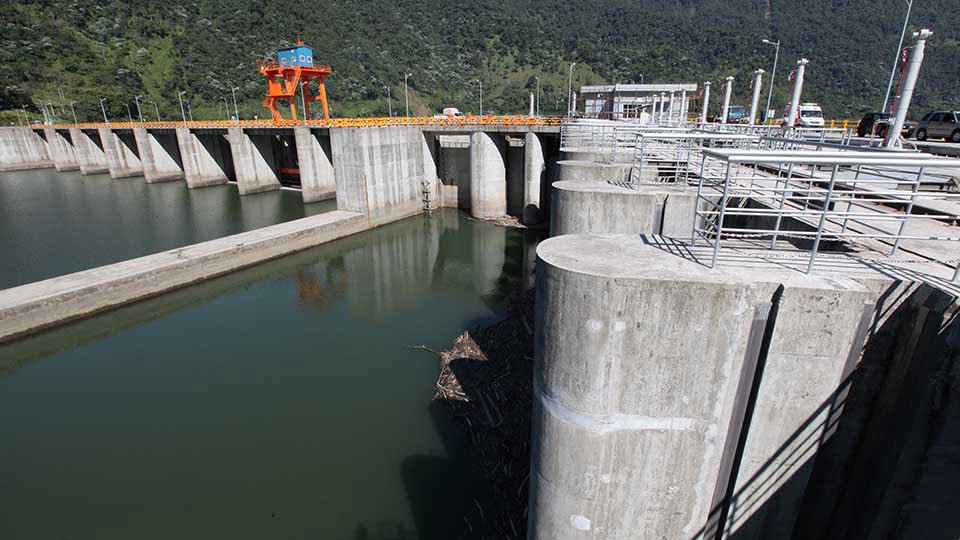
According to Manzano, Ecuador is currently facing a deficit of roughly 1,000 megawatts. She attributed the shortfall to multiple factors, including reduced water levels for hydroelectric generation and technical problems at the Coca Codo Sinclair hydroelectric plant.
Additional pressure has come from outside the country. Colombia recently suspended electricity exports to Ecuador, removing a key source of supplemental power.
The government says the situation should improve in the coming months. More than 687 megawatts of capacity has been temporarily offline due to maintenance at hydroelectric and thermal plants, but that generation is expected to return to service.
Officials also plan to add 1,659 megawatts of new capacity during 2026, with over 300 megawatts already incorporated into the system.
Manzano emphasized that seasonal factors will also play a role. Increased rainfall is expected to boost hydroelectric output later in the year, helping to stabilize supply.
Wider concerns emerging
The power situation comes alongside broader scrutiny of government policy. The United Nations has raised concerns about Ecuador’s increasing use of emergency declarations tied to security issues.
While officials maintain that the electrical system remains manageable, the combination of capacity deficits, infrastructure challenges, and external supply disruptions is drawing closer attention from both technical experts and international observers.
For residents and expats, the key takeaway is practical: while a full-scale crisis has not been declared, the system is under strain—and occasional outages remain a possibility as Ecuador works to restore capacity and expand generation.
