
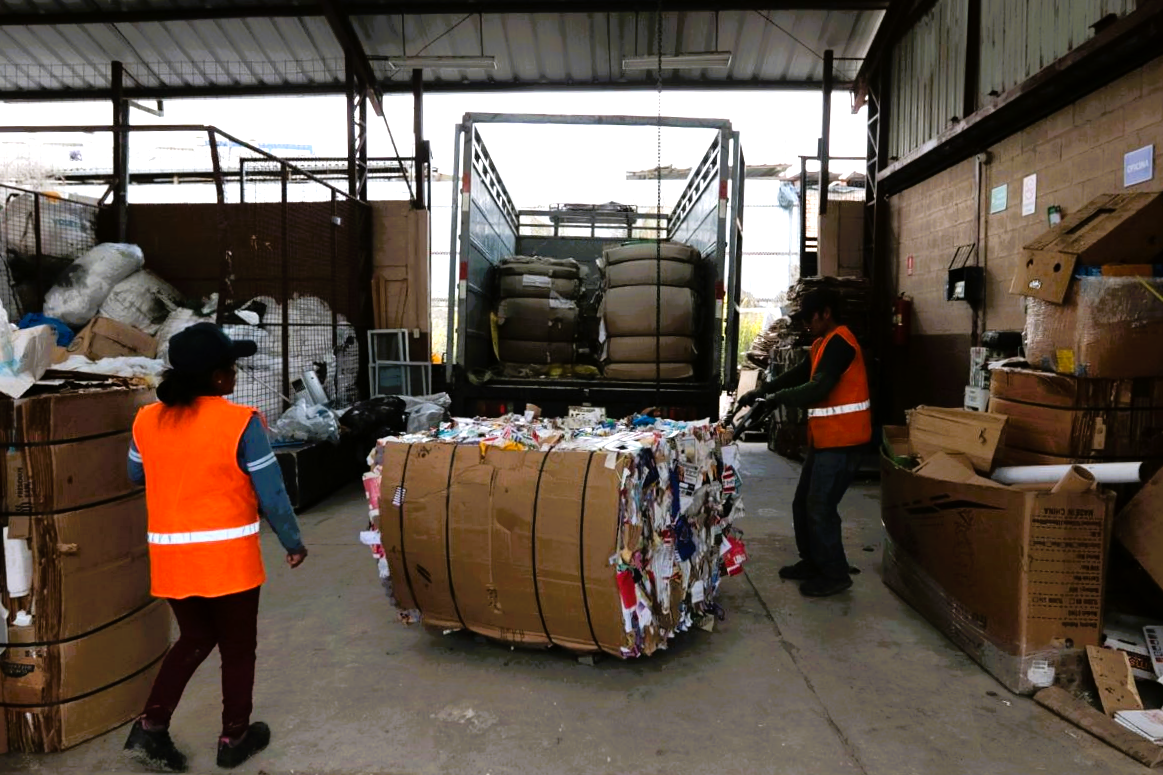
A proposed ordinance aimed at formalizing recycling in Cuenca remains under review, more than two years after discussions began between recyclers, municipal authorities, and environmental groups.

Organizations representing recyclers are now urging officials to move the process forward, arguing that the measure is essential to recognize their work and strengthen the city’s waste management system.

The proposal outlines a framework for integrating grassroots recyclers into Cuenca’s recycling structure without creating a formal employment relationship. It includes provisions for recognizing the profession, establishing an Inclusive Recycling Fund, and expanding infrastructure such as collection centers.

Recyclers say the ordinance would help stabilize their role in the system while improving how recyclable materials are handled. One of the main concerns is ensuring that materials are not diverted to intermediaries who reduce their value, cutting into already limited earnings.

Another key element is a system where households separate their waste and deliver recyclable materials directly to organized recyclers. A mobile application designed to support this process is currently in a pilot phase, with plans to expand it if funding allows.

Debate has focused in part on how recyclers should be classified within the system. Earlier proposals considered including them as part of a public service, but that approach was set aside to avoid creating legal complications tied to employment status.

Financial compensation is another unresolved issue. While recyclers currently receive payments based on administrative decisions, they are pushing for a standardized formula tied to the amount of material diverted from landfills. The existing Inclusive Recycling Fund operates with an annual budget of around $80,000.

The ordinance is now being reviewed by the municipal cleaning company’s board before it can move on to the city council. A technical working session is expected to examine the details of the proposal, including its legal and operational framework.

Despite the delays, officials indicate there is support for moving the measure forward, provided it meets regulatory requirements.

Recyclers argue the urgency is clear. In 2023 alone, more than 1,800 tons of material were recovered in Cuenca, preventing thousands of metric tons of carbon emissions and reducing pressure on the city’s landfill.

The work is largely carried out by a relatively small and vulnerable population. More than 200 organized recyclers have been identified in the city, with many working long shifts that extend overnight. A majority are women, and a significant portion live in poverty or extreme poverty.

For those involved, the ordinance represents more than a policy change. It is seen as a step toward recognition, stability, and a more sustainable system that depends heavily on their daily work.