
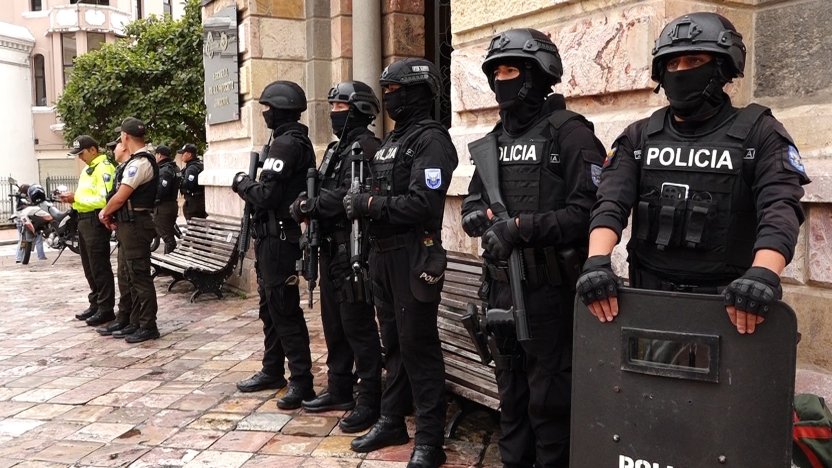
A sharp increase in violent deaths is drawing new attention to security conditions in Cuenca, a city long considered one of the safest in the country.

In the first three months of 2026, Cuenca recorded 12 homicides—already more than half of the 21 cases reported during all of 2025. While the city still maintains relatively low crime levels compared to other major urban centers in Ecuador, the sudden rise is prompting concern among residents and authorities.

Most of the victims, according to police reports, had no prior criminal records, and many of the incidents occurred in public spaces. That detail has added to the unease, as it suggests the violence is not confined to isolated or high-risk groups.

Despite the increase, Cuenca remains far below national averages. In 2025, the city’s homicide rate stood at 3.44 per 100,000 residents, compared with a national rate exceeding 50 per 100,000. Even so, the upward trend marks a noticeable shift for a city known for its relatively calm environment.

Authorities point to several factors behind the change. Police say a majority of recent homicides are linked to micro-trafficking and disputes between criminal groups. In particular, attention has focused on the fragmentation of the organization known as Los Lobos, which has historically controlled much of the local drug trade.

As internal divisions emerge within that group, smaller factions appear to be competing for territory, increasing the risk of targeted violence. Investigators estimate that around 60% of recent cases are connected to drug-related activity, with the remainder tied to threats or other disputes.

However, experts caution that the situation is more complex. In addition to drug trafficking, other illicit activities—such as loan sharking and illegal mining—may also be contributing to tensions. These activities often generate significant profits and can lead to violent confrontations when control is disputed.

Another factor under scrutiny is the role of the Turi prison, located on the outskirts of Cuenca. Changes in inmate populations and leadership structures inside the facility may be influencing criminal dynamics outside the prison walls.

Local officials say stronger coordination between authorities and improved intelligence work will be essential to prevent further escalation.

For residents and expats, the message is mixed. Cuenca remains one of Ecuador’s safer cities by national standards, but recent developments suggest it is not immune to the broader security challenges affecting the country.