
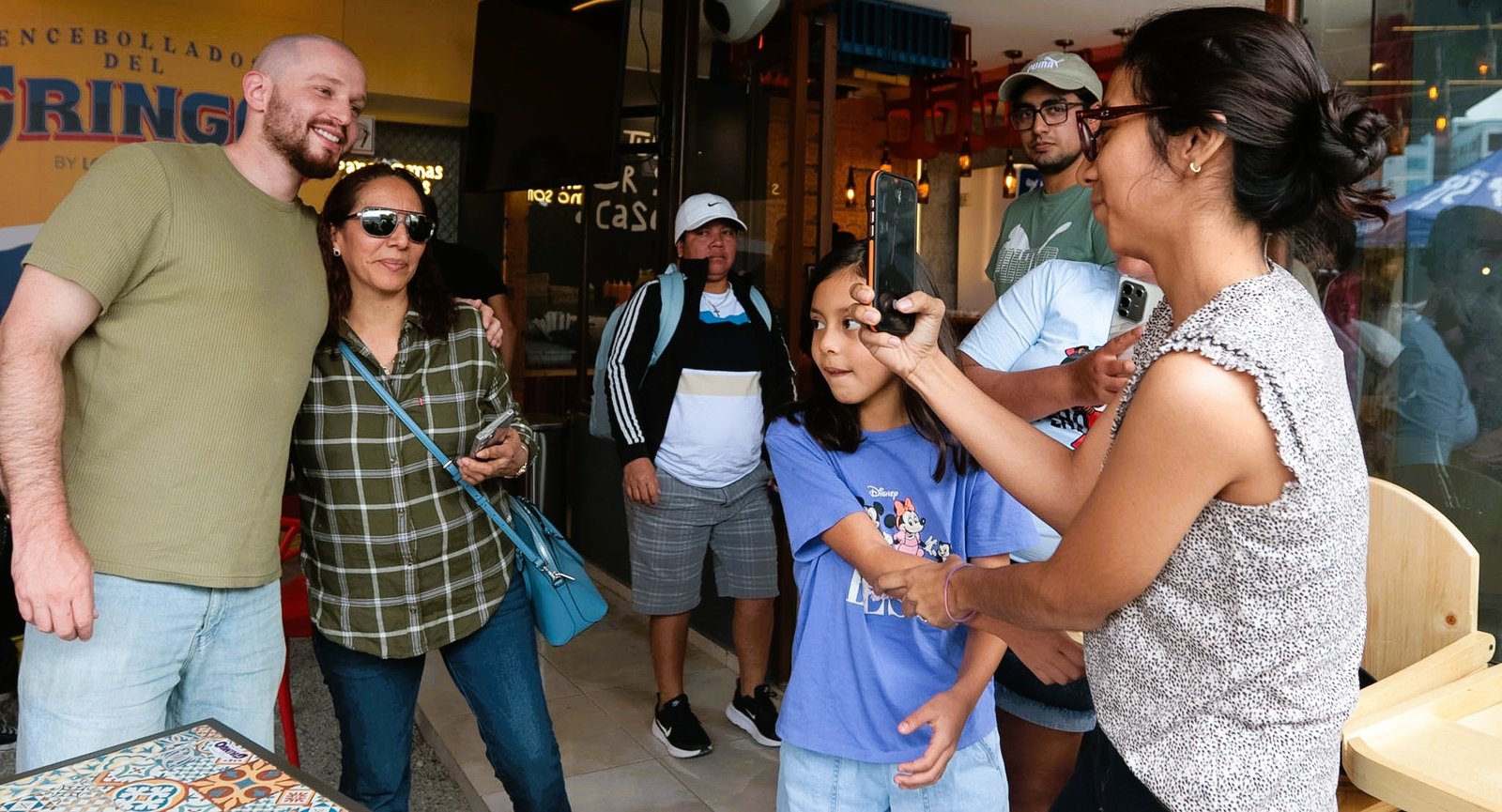
A Canadian content creator known locally as the “Crazy Gringo” has become one of the most recognizable figures in Cuenca, not for controversy, but for his growing list of community-driven projects.
Josh Yentin, also known as “Loco Living” or “Gringo Loco,” arrived in Ecuador in 2017 for what was meant to be a short visit. Nearly a decade later, he has built a life in Cuenca centered on social media, philanthropy, and local business.
His work has focused on helping people in vulnerable situations. Over the years, his initiatives have included building homes, providing prosthetics, and donating small mobile carts to help individuals start or expand small businesses. One example often cited by locals is his support for a street vendor who received a prosthetic hand, offering a chance to improve daily life and work conditions.
That type of direct, visible aid has helped Yentin build a strong following both online and in the community. Residents frequently recognize him in public, asking for photos and sharing stories of his projects. His approach blends social media storytelling with on-the-ground assistance, using online platforms to fund and amplify his efforts.
In 2022, his connection to Ecuador was formalized when he received citizenship, granted in recognition of his contributions. Since then, he has continued expanding both his charitable and entrepreneurial activities.
More recently, he launched a local food business focused on encebollado, a traditional Ecuadorian fish dish. The venture has created jobs and reflects a broader shift in his work, combining community engagement with sustainable economic activity. Plans for expansion suggest the project could grow beyond Cuenca.
Yentin’s influence also extends into the digital space. He has collaborated with well-known Ecuadorian content creators and maintains a visible presence across platforms, where he documents his projects and interactions with local communities.
His work has drawn support from local officials as well, including collaboration on housing initiatives and public recognition of his efforts.
For many residents, the nickname “Crazy Gringo” has taken on a different meaning. It no longer points to an outsider, but to someone who has embedded himself in the fabric of the community — using visibility, resources, and persistence to make a tangible impact in the city he now calls home.
