
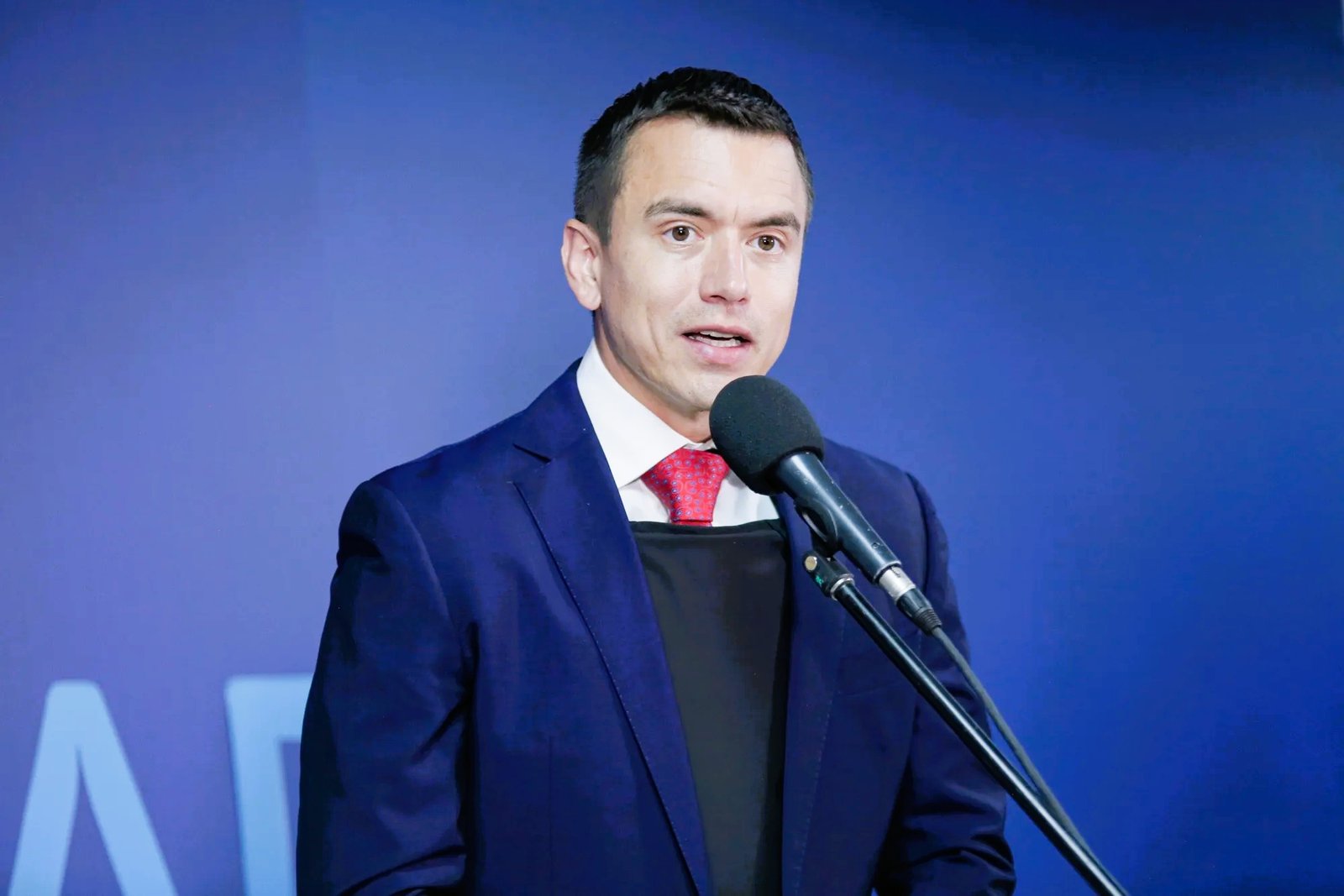
Ecuador’s government is moving forward with plans to concession two major highways in Azuay, a model that will include tolls for maintenance and long-term operation, President Daniel Noboa confirmed as of April 2.

The announcement follows the signing of the initial stage of the concession process for the Cuenca–Molleturo–El Empalme and Cuenca–Girón–Pasaje routes. Authorities said the projects are now advancing after more than a year of technical studies and administrative work aimed at resolving long-standing delays.

Under the proposed model, private operators will be responsible for maintaining and improving the highways, with toll collection serving as the primary funding mechanism. Officials indicated that tolls are expected on both routes as part of the concession agreements.

The infrastructure plan is part of a broader federal strategy to improve road safety and connectivity in southern Ecuador, while reducing the burden on public finances.

During remarks published this week, the president also addressed wider issues affecting the region, including security, economic performance, and public services.

Officials reported a decline in violent crime in recent months, with authorities pointing to reductions in homicides and other offenses such as extortion and kidnapping. Nationally, security forces continue to operate under an “internal armed conflict” framework aimed at combating organized crime.

On the economic front, the government highlighted growth in Azuay, including increased commercial activity and job creation programs targeting young workers. Authorities said thousands of new jobs have been generated through tax incentives and financing initiatives designed to stimulate hiring.

The administration also pointed to ongoing housing and infrastructure investments, including major financing programs aimed at expanding access to low-interest mortgages and supporting new development projects.

At the same time, tensions remain between national and local authorities over public services in Cuenca, particularly water quality. Federal officials signaled that investigations are underway into contamination concerns, while emphasizing that municipal entities are responsible for service delivery.

As infrastructure projects move ahead, the concession of key highways is expected to become a central issue for residents, particularly as toll systems are introduced alongside broader efforts to modernize transport and support regional growth.